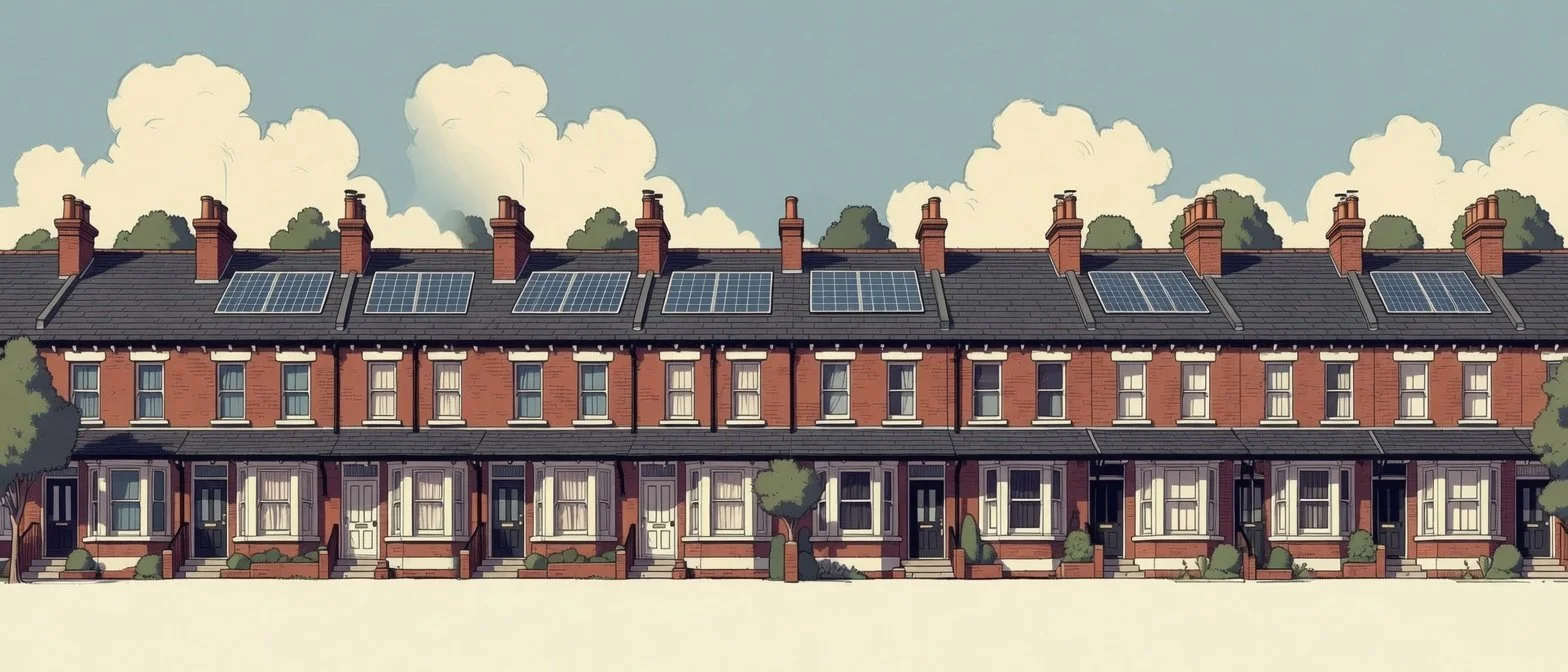
Community Solar - Bristol
Ensuring all members of society not only benefit from the reduced costs offered by on-site solar, but also feel connected to the ongoing energy transition, is the key goal of this initiative.
The project aims to develop software capable of measuring the upfront costs and long-term returns for council owned and community operated rooftop solar & battery storage. With the aim of immediately reducing household bills while generating passive income, through the sale of excess electricity, for lottery-based appliance electrification and home-improvements. Councils will be delivered clear financial information on the suitability of sites for rooftop solar and integrated battery storage, with projected returns from a % of sold excess electricity, ensuring both councils and community members receive immediate tangible benefits.
Project Timeline
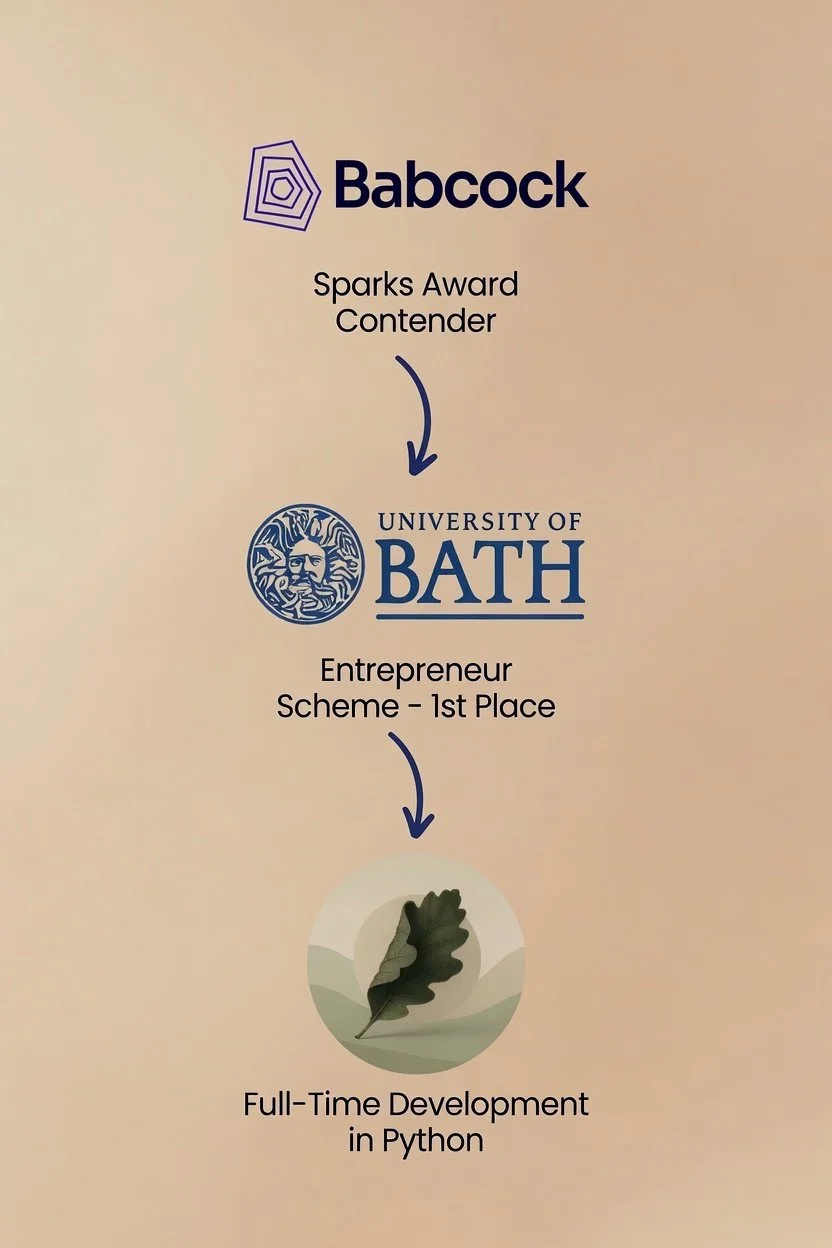
First envisioned during the Sparks Award programme offered by Babcock International in 2022, this project aims to deliver tangible benefits to vulnerable communities through an opt-in electrification programme designed to reduce household bills while generating a shared fund for gradual electrification, insulation and home-improvements. This initial planning phase required a scoping out of the idea, and over the past few years this project has been developed in my spare-time, while I’ve learnt more about community energy projects through my MScR and during my time on the SYSgen team at the University of Bath.
The project gained further traction after I entered the proposal into the University of Bath’s Entrepreneurial Competition, where my idea was presented in-front of a panel of industrial experts and academics from the power engineering field. After presenting the topic and taking questions from the audience around funding models, scalability of the project and its ability to reduce communities reliance on fluctuating energy prices caused by international events, I was delighted to win first place and secure additional funding.
Currently the project is in the development phase including:
· Development of Python software capable of quantifying the financial upfront costs and long-term payment plans to derive suitability for specific sites around Bristol.
· Outreach work to academics at the University of Bath to compare the project to other energy island concepts.
Project Concept
Ensuring that the benefits of low-cost renewables are delivered to vulnerable communities, where the savings from local solar generation and subsequent lessened reliance on fluctuating international energy prices would bring greater relative savings, is paramount to getting the British public on the side of rapid electrification.
This project aims to generate software capable of communicating the long-term financial suitability of sites across the country to local councils, who can then invest in installing rooftop solar and battery storage for social housing or low-income neighbourhoods. Quantifying the upfront cost of installation, materials and grid connection, in addition to measuring the long-term returns for: the local council, the residents and private investors is paramount to ensuring these projects get off the ground.
Stage 1.
Local councils, keen to upgrade their social housing stock, reduce household bills and generate a long-term return on their renewable investments are the core customers of this business model.
Stage 2.
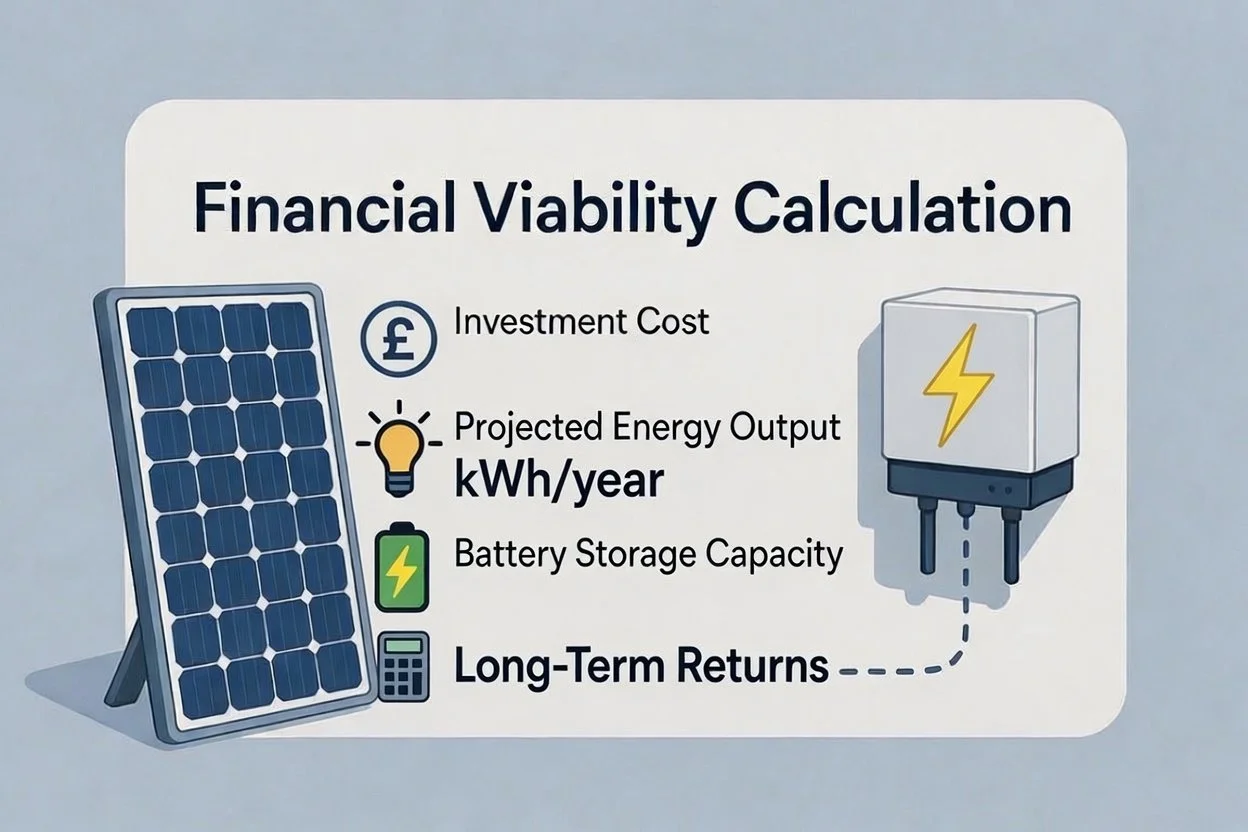
From our software, the local council is provided with the long-term financial information for their investment, with the software clearly displaying upfront costs, predicted excess electricity sale profits and the passive fund valuation after 10 years.
Stage 3.
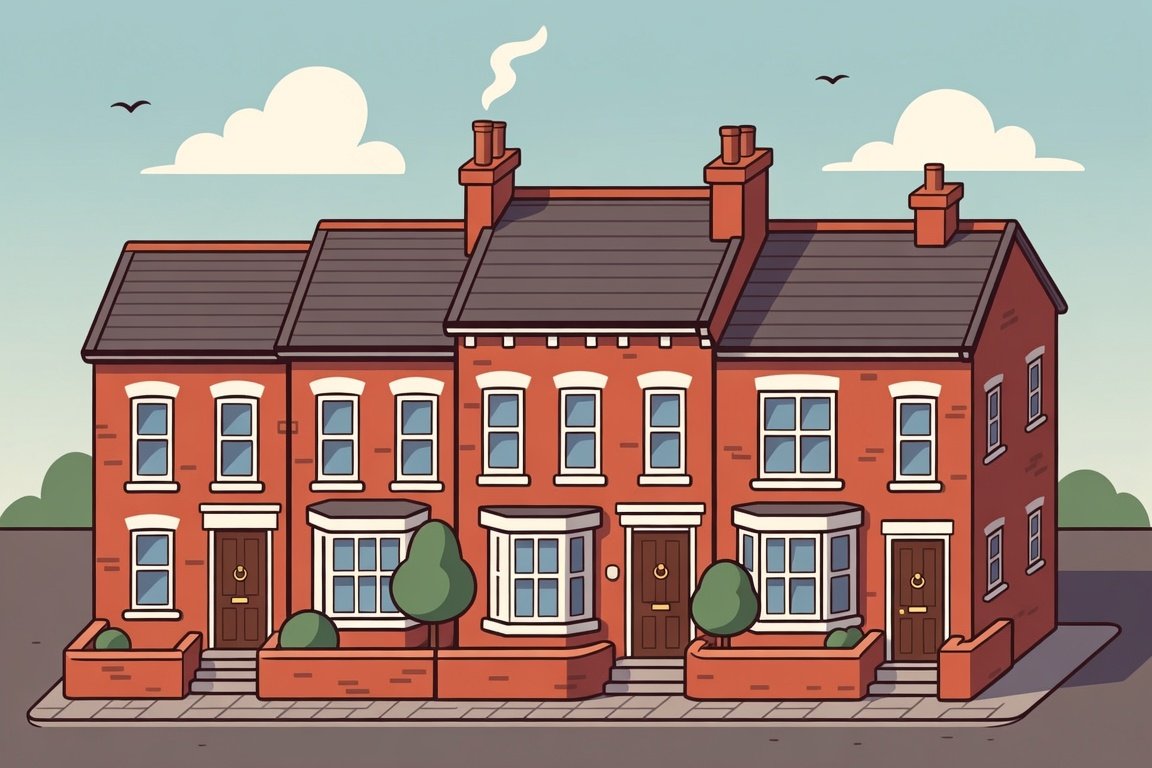
During the process, a neighbourhood is selected, and residents consulted on the proposed plans. Requirements for solar and battery installations are made by the council, with our software helping to secure council and private funding through detailed financial information.
Stage 4.
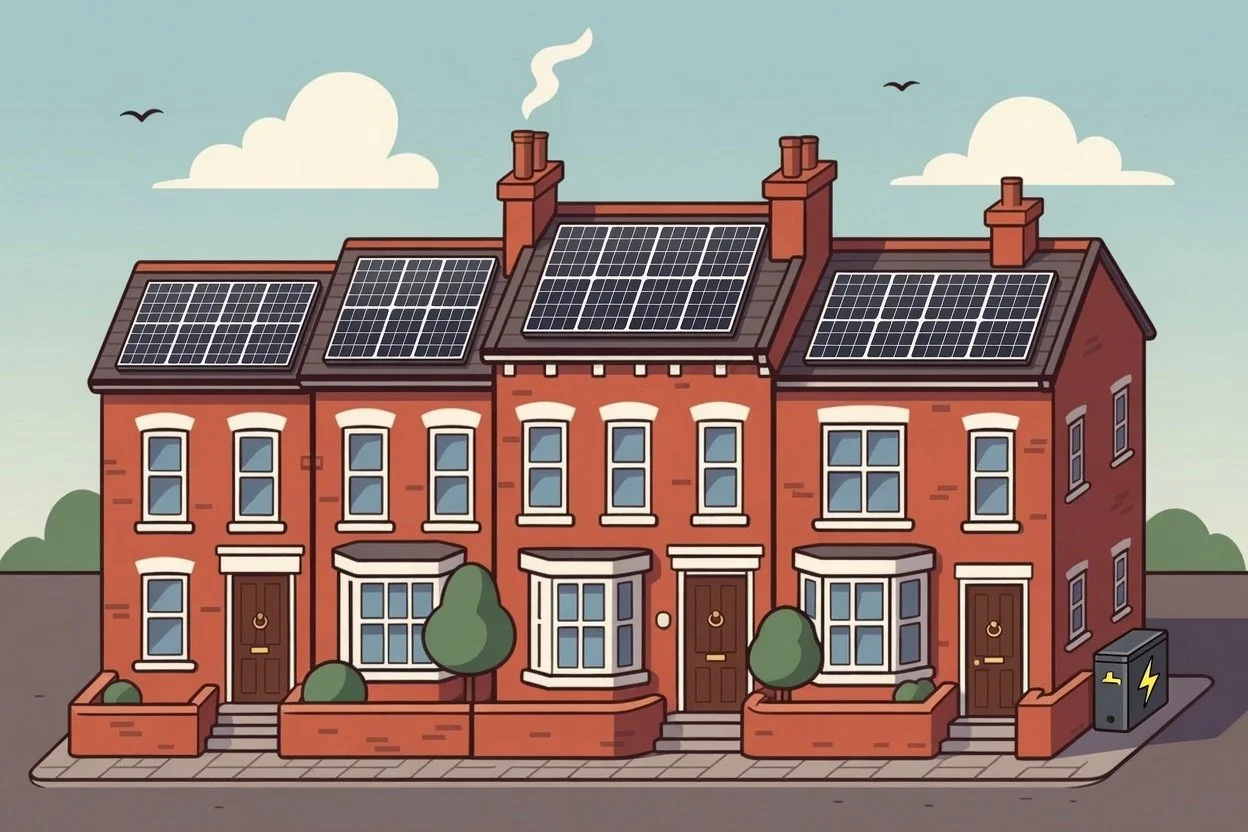
Hardware is installed, electricity is generated by the rooftop solar and stored in onsite batteries. Excess electricity is sold back to the National Grid, with profits being split between the local council, to recoup their upfront investment over a long-term period, and a community fund.
Stage 5.
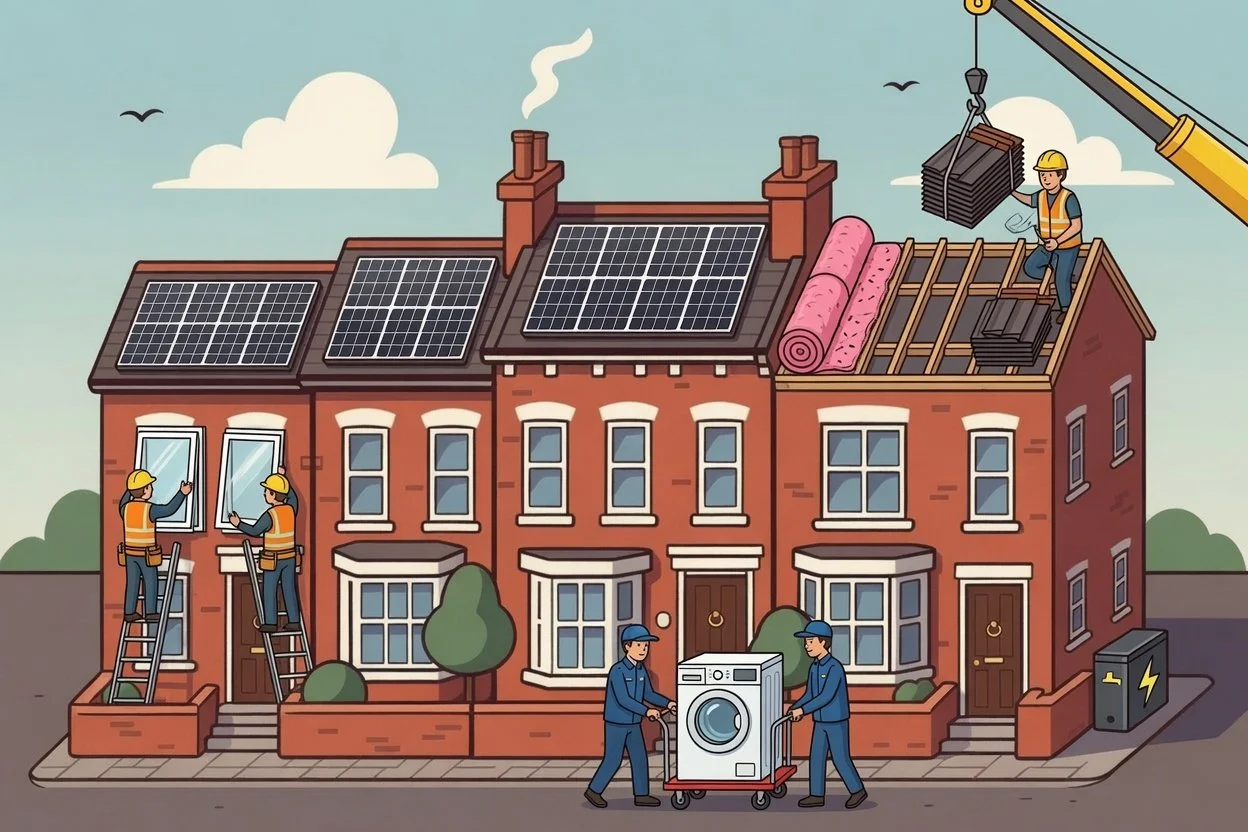
Finally at a set interval the profits stored in the community fund will be allocated on a lottery basis to one member of the scheme for a pre-defined upgrade, for example double glazing, roof insulation or an electrical appliance purchase.